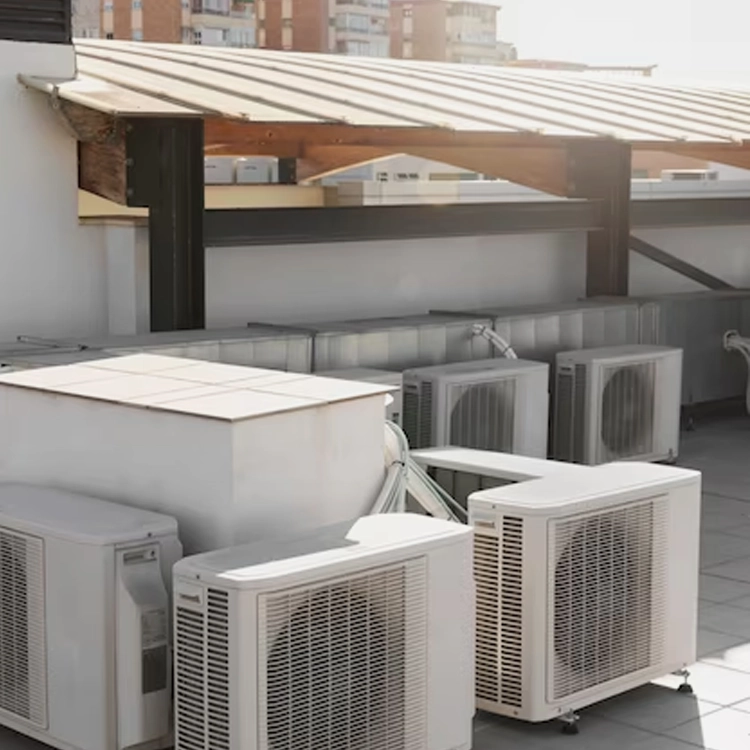

Air conditioning has become essential for modern comfort, yet traditional systems consume large amounts of electricity and contribute to carbon emissions. Fortunately, technology is transforming how we cool our spaces, making air conditioning smarter and more energy-efficient than ever.
One major innovation is the integration of smart thermostats and IoT (Internet of Things). These systems use sensors and data analytics to automatically adjust temperature settings based on occupancy and usage patterns, ensuring that no energy is wasted cooling empty rooms. Users can also control their AC units remotely, optimizing energy use from anywhere.
Another breakthrough lies in inverter and variable-speed compressor technology, which allows air conditioners to run at different speeds instead of constantly switching on and off. This flexibility cuts electricity consumption by up to 50% while providing smoother, quieter operation.
Environmental concerns are also driving the adoption of eco-friendly refrigerants such as R-32 and hydrofluoroolefins (HFOs), which have far lower global warming potential than older gases. Meanwhile, solar-powered and hybrid AC systems are reducing reliance on the electric grid by harnessing renewable energy.
Finally, artificial intelligence (AI) and machine learning are helping predict maintenance needs and optimize performance, further improving efficiency and system longevity. When combined with energy-conscious building design and insulation, these technologies make sustainable cooling a realistic goal.
As innovation continues, the future of air conditioning lies in balancing comfort with environmental responsibility. Harnessing technology for energy-efficient AC isn’t just about saving power—it’s about cooling the planet wisely.