
Air conditioning is a summertime savior, keeping our homes and offices comfortable even on the hottest days. But while it cools the air, your AC system also plays a major — and sometimes overlooked — role in indoor air quality (IAQ). The same system that provides relief from heat can also circulate dust, mold spores, and bacteria if it’s not properly maintained.
1. How AC Systems Affect the Air You Breathe
Air conditioners don’t just cool the air — they filter, circulate, and dehumidify it. A clean, well-functioning unit can trap allergens like pollen and dust, improving indoor air quality. However, when filters are dirty or ducts are clogged, those pollutants can get blown right back into your living space.
2. The Humidity Factor
One of the biggest ways AC systems impact IAQ is through humidity control. Low humidity can cause dry skin, throat irritation, and even respiratory discomfort. Too much moisture, on the other hand, encourages mold and mildew growth inside ducts or around vents. Modern AC systems with built-in humidity sensors help maintain a healthy balance — ideally between 30% and 50%.
3. Dirty Filters = Dirty Air
Clogged or neglected filters are the number-one cause of poor indoor air quality from AC systems. When filters are full, the system has to work harder, reducing efficiency and allowing dust and allergens to circulate. Replacing or cleaning filters every one to three months can dramatically improve air quality and energy performance.
4. The Importance of Regular Maintenance
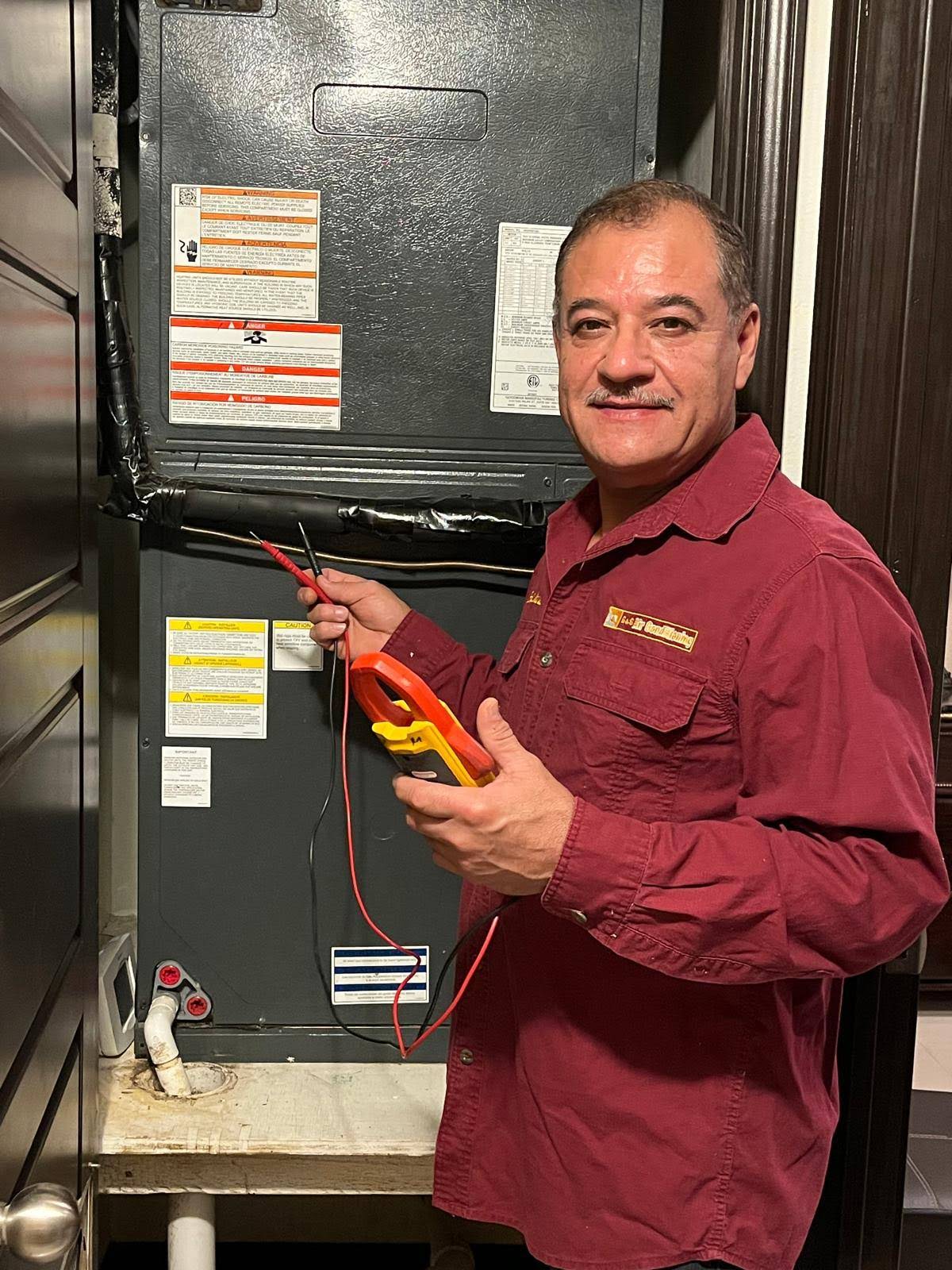
Routine HVAC maintenance keeps both your air and your system healthy. Technicians can inspect coils, clean ducts, and ensure there’s no mold buildup. It’s not just about comfort — it’s about protecting your lungs and preventing the spread of airborne irritants.
5. Fresh Air and Ventilation Matter
While AC systems recycle indoor air, they don’t always bring in fresh air from outside. This can lead to a buildup of carbon dioxide and volatile organic compounds (VOCs) from paints, furniture, or cleaning products. Opening windows periodically or using systems with fresh-air intakes can help keep your indoor environment balanced.
Breathe Easier with Smarter Cooling
Air conditioning doesn’t have to come at the expense of clean air. With regular filter changes, humidity control, and proper maintenance, you can enjoy both comfort and healthy breathing. As AC technology evolves, many systems now include air purifiers and HEPA filtration, offering cleaner, safer indoor air year-round.
So the next time you feel that cool breeze, remember — a well-cared-for AC isn’t just keeping you cool; it’s helping you breathe better, too. 🌿