
Optimizing your air conditioning (AC) system is a great way to improve comfort, reduce energy costs, and extend the lifespan of your unit. Here are several tips to help you get the most out of your AC:
1. Regular Maintenance
Change Air Filters: Dirty or clogged filters reduce airflow and cause your AC to work harder. Change filters regularly (typically every 1–3 months, depending on the filter type and usage).
Clean the Coils: Dust and dirt can accumulate on both the evaporator and condenser coils. Cleaning the coils once a year (or more often in dusty environments) will keep the system running efficiently.
Check the Drain Line: Ensure that the condensate drain is clear so moisture can escape, preventing water damage or mold buildup.
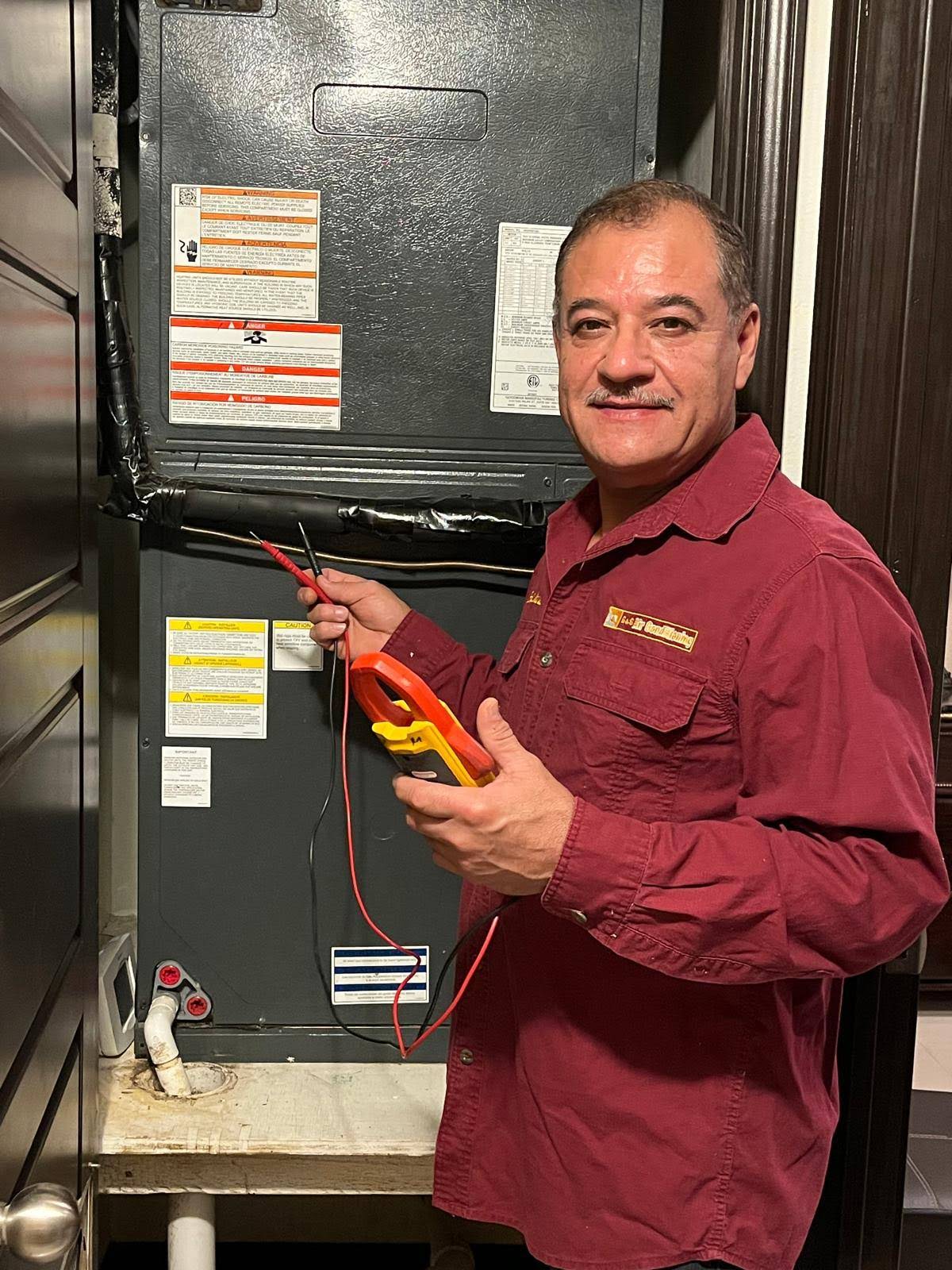
Annual Professional Inspection: Having a professional technician inspect your system yearly helps identify any potential issues early, like refrigerant leaks or faulty components.
2. Optimize Thermostat Settings
Set the Thermostat Wisely: In the summer, set your thermostat to 78°F (25-26°C) when you’re home, and raise it by a few degrees when you’re away. Use a programmable thermostat to automate this.
Use Smart Thermostats: Smart thermostats learn your preferences and adjust temperatures based on your schedule, making them more energy-efficient.
Avoid Constant Adjustments: Frequently adjusting the temperature can make the system work harder. Let it stabilize at your preferred setting.
3. Seal Gaps and Insulate
Seal Leaks: Gaps around windows, doors, ducts, and even electrical outlets can cause cool air to escape. Use weather stripping or caulk to seal any gaps.
Insulate the Attic: Proper insulation in the attic can prevent heat from seeping into the house, reducing the workload on your AC.
Duct Sealing: Leaky ducts can reduce efficiency by up to 30%. Consider having your ducts sealed by a professional to avoid energy loss.
4. Use Ceiling Fans
Ceiling fans help circulate the air and make the room feel cooler, allowing you to raise your thermostat setting a few degrees without sacrificing comfort.
Set the fan blades to rotate counterclockwise in the summer to create a wind-chill effect.
5. Limit Heat Sources
Block Direct Sunlight: Use curtains, blinds, or window films to block out the sun. This reduces heat gain and lessens the load on your AC.
Switch to Energy-Efficient Lighting: Incandescent bulbs emit a lot of heat. Use LED bulbs that produce less heat and consume less energy.
Cook Smart: Avoid using the oven or stovetop on extremely hot days, as this generates additional heat inside. Consider using a microwave, slow cooker, or grilling outdoors instead.
6. Keep Vents Unblocked
Make sure that air vents and registers are unobstructed by furniture, rugs, or curtains. Blocking vents reduces airflow and forces the system to work harder.
7. Consider Zoned Cooling
If your home is large or has multiple levels, you might benefit from a zoned cooling system. This allows you to cool only the areas that are in use, saving energy and ensuring comfort where it’s needed most.
8. Upgrade Your AC System
If your AC system is over 10–15 years old, it might be time for an upgrade. Modern AC units are far more energy-efficient and can help save on electricity costs in the long run.
Look for units with SEER (Seasonal Energy Efficiency Ratio) ratings of 16 or higher for the best energy efficiency.
9. Maintain Outdoor Units
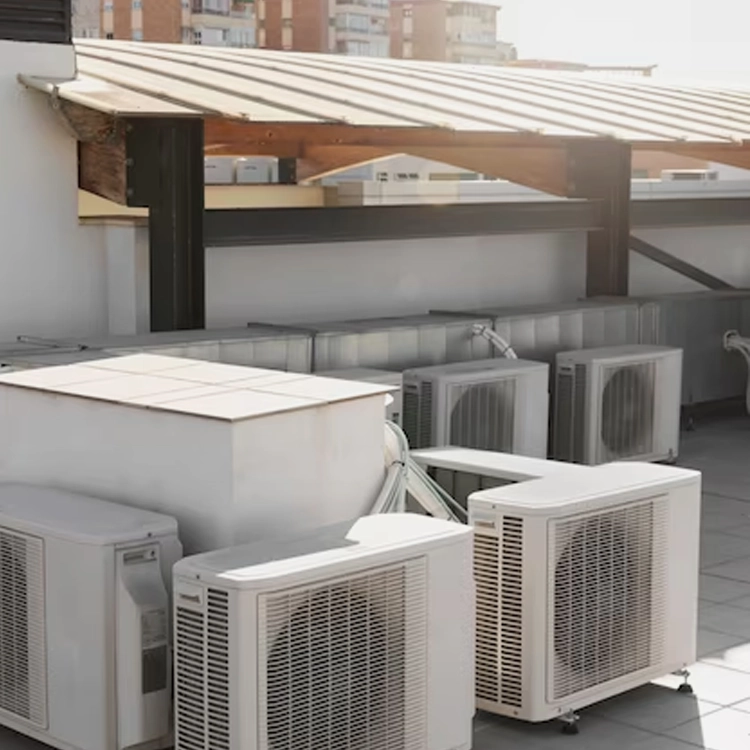
Keep the Area Around the Unit Clear: Make sure bushes, plants, or debris don’t block the airflow around your outdoor AC unit. Ensure at least 2-3 feet of clearance on all sides.
Clean the Condenser: The outdoor unit’s condenser coil can accumulate dirt, reducing efficiency. Clean it by gently hosing it off (be sure to turn off the power first).
10. Energy-Efficient Settings
Use the "Eco" Mode: Many modern systems come with an energy-saving “eco” mode that reduces cooling capacity while maintaining comfort.
Consider a Programmable Timer: Set your system to run during cooler times of the day, like early morning or evening, to reduce energy use during peak hours.
By following these tips, you can not only optimize the performance of your air conditioning system but also save money and energy in the long run.